
08 Sep
Graphic design surrounds us everywhere—from the smartphone apps we use daily to the billboards we pass on our commute. Yet many people remain unclear about what graphic designers actually do beyond “making things look pretty.” The reality is far more complex and strategic than most realise.
graphic designer job explained
Graphic designer job explained: they make visual content like logos, ads, and website layouts. Learn what graphic designers create to
graphic designer job explained
Graphic designers serve as visual problem-solvers who combine creativity with technical skills to communicate messages effectively. They transform ideas into visual elements that inform, persuade, and engage audiences across countless mediums. Whether you’re considering a career in design, hiring a designer, or simply curious about the field, understanding their multifaceted role provides valuable insight into how visual communication shapes our daily experiences.
This comprehensive guide explores the diverse responsibilities, skills, and specialisations that define modern graphic design. You’ll discover how designers approach projects, the tools they use, and the strategic thinking behind every visual decision they make.
The Core Responsibilities of Graphic Designers
Visual Problem Solving
At its foundation, graphic design centres on solving communication challenges through visual means. Designers analyse complex information and distil it into clear, compelling visuals that resonate with specific audiences. This process requires both analytical thinking and creative execution.
When a restaurant needs a new menu, for example, a graphic designer doesn’t simply arrange text and images. They consider the restaurant’s brand identity, target demographic, lighting conditions where the menu will be read, and how visual hierarchy can guide customers toward high-profit items. Each design decision serves a strategic purpose beyond aesthetics.
Brand Identity Development
Graphic designers play a crucial role in creating and maintaining brand identities. This involves much more than designing logos—though that’s certainly part of it. Brand identity encompasses the entire visual language a company uses to communicate with its audience.
Designers develop comprehensive brand guidelines that specify everything from colour palettes and typography choices to image styles and layout principles. They ensure consistency across all touchpoints, from business cards to massive advertising campaigns. A well-executed brand identity becomes instantly recognisable and builds trust with consumers over time.
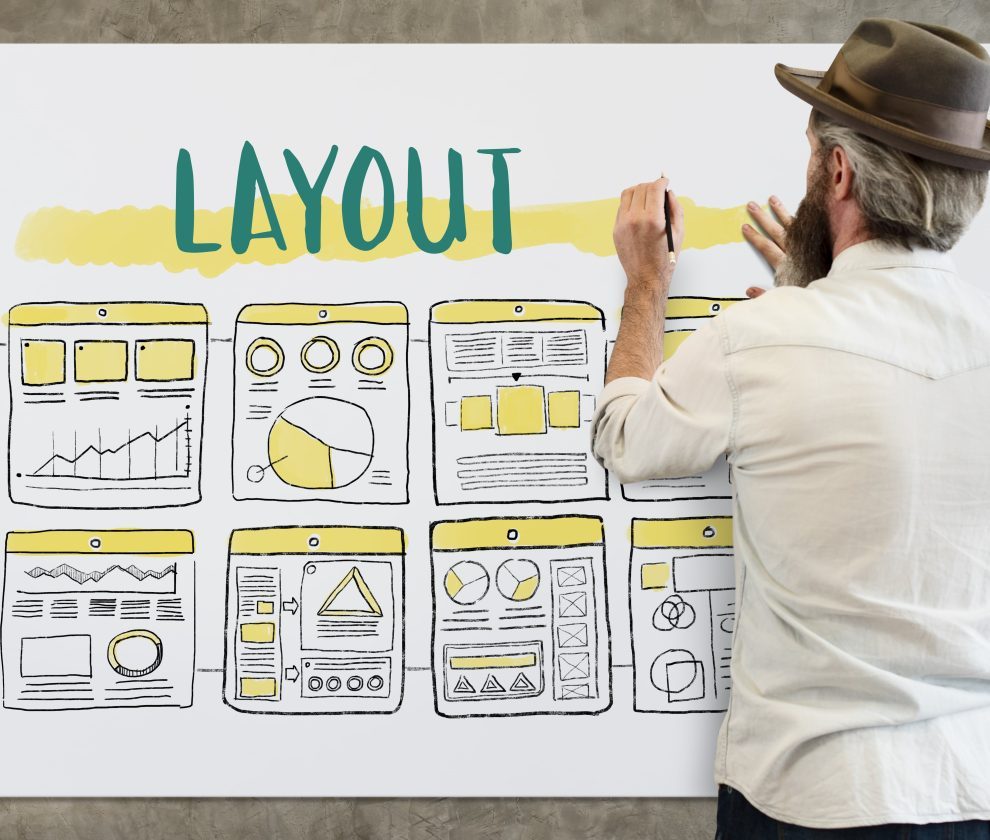
Layout and Composition
Understanding how to arrange visual elements effectively is fundamental to graphic design work. Designers apply principles of visual hierarchy, balance, and flow to guide viewers’ attention through their creations. They determine where the eye should look first, how it should move through the design, and what information should be emphasised.
This skill proves essential across all design applications. Magazine layouts must balance readability with visual interest. Website designs need to prioritise user experience while maintaining aesthetic appeal. Even simple business cards require careful consideration of spacing, alignment, and information hierarchy.
Specialised Areas Within Graphic Design
Digital and Web Design
The digital revolution has dramatically expanded graphic design opportunities. Web designers create user interfaces that are both visually appealing and highly functional. They must understand user experience principles, responsive design techniques, and how their designs will appear across various devices and screen sizes.
Digital designers also work on mobile applications, social media graphics, email templates, and interactive presentations. Each platform has unique constraints and opportunities that designers must navigate skillfully.
Print Design
Despite digital growth, print design remains a vital specialisation. Print designers work on everything from business cards and brochures to large-format posters and packaging. They must understand printing processes, paper types, colour reproduction, and how different materials affect the final product.
Print design requires particular attention to technical specifications. Unlike digital designs that can be easily modified, print materials involve significant production costs and limited opportunities for revision once the printing process begins.
Motion Graphics and Animation
Modern graphic designers increasingly work with moving visuals. Motion graphics combine traditional design principles with animation techniques to create engaging content for videos, websites, and interactive media. This specialisation requires understanding timing, pacing, and how movement affects visual communication.
Motion designers create everything from animated logos and social media videos to complex explanatory animations and interactive presentations. They often collaborate with video producers, marketers, and web developers to bring static designs to life.
Packaging Design
Product packaging represents a unique design challenge that combines marketing objectives with practical constraints. Package designers must consider manufacturing requirements, material costs, shipping limitations, and retail display needs while creating designs that attract customers and communicate brand values.
Successful packaging design influences purchasing decisions at the point of sale. Designers conduct market research, study competitor products, and test different approaches to ensure their designs stand out on crowded shelves while accurately representing the product inside.
The Design Process: From Concept to Completion
graphic designer job explained
graphic designer job explained
Graphic designer job explained: they make visual content like logos, ads, and website layouts. Learn what graphic designers create to
graphic designer job explained
graphic designer job explained
Research and Discovery Phase
Professional graphic designers begin every project with thorough research. They study the target audience, analyse competitors, and understand the business context surrounding their design challenge. This foundation informs every subsequent decision.
Research might involve conducting surveys, analysing market data, studying successful designs in similar industries, or interviewing stakeholders. Designers who skip this crucial phase often produce visually appealing work that fails to achieve its intended objectives.
Concept Development and Ideation
Armed with research insights, designers begin generating ideas. This creative phase involves sketching concepts, exploring different visual approaches, and considering various solutions to the design problem. Many designers create dozens of preliminary concepts before selecting the most promising directions to develop further.
Successful designers embrace experimentation during this phase. They explore unconventional approaches, question assumptions, and push beyond obvious solutions. The goal is to find unique ways to communicate the intended message while meeting practical requirements.
Refinement and Iteration
Once initial concepts are established, designers enter a refinement phase involving multiple rounds of revision. They test different colour schemes, adjust typography, modify layouts, and fine-tune every element until the design achieves its objectives.
This iterative process often involves client feedback, user testing, and collaboration with other professionals. Designers must balance creative vision with practical constraints and stakeholder input while maintaining design integrity.
Production and Implementation
The final phase involves preparing designs for their intended use. This might mean creating print-ready files with proper colour profiles and bleeds, developing responsive web layouts, or generating assets for motion graphics projects.
Attention to technical details during production separates professional designers from amateurs. Understanding file formats, resolution requirements, and platform-specific constraints ensures designs reproduce accurately across different mediums.
Essential Skills and Tools
Technical Proficiency
Modern graphic designers must master various software applications. Adobe Creative Suite—including Photoshop, Illustrator, and InDesign—remains the industry standard. However, designers also use specialised tools for web design, motion graphics, and 3D rendering depending on their focus areas.
Beyond software skills, designers need an understanding of technical concepts like colour theory, typography, file formats, and printing processes. These fundamentals enable them to make informed decisions about visual elements and production requirements.
Communication and Collaboration
Graphic design is inherently collaborative. Designers regularly work with clients, marketing teams, developers, printers, and other creative professionals. Strong communication skills help them articulate design decisions, incorporate feedback effectively, and manage project expectations.
Successful designers can explain complex visual concepts to non-designers, defend creative decisions with logical reasoning, and adapt their communication style to different audiences. They serve as bridges between creative vision and business objectives.
Strategic Thinking
The most effective graphic designers think strategically about their work. They understand how design decisions impact business goals, user behaviour, and brand perception. This strategic approach elevates design from mere decoration to a powerful communication tool.
Strategic thinking involves asking questions like: What action do we want viewers to take? How will this design be used over time? What cultural factors might influence interpretation? These considerations shape every aspect of the design process.
Career Paths and Specialisations
In-House vs. Agency vs. Freelance
Graphic designers can pursue different career paths depending on their preferences and goals. In-house designers work directly for companies, focusing deeply on a single brand while enjoying stable employment and comprehensive benefits.
Agency designers handle multiple clients and diverse projects, developing broad skills and industry knowledge while working in fast-paced, collaborative environments. Freelance designers enjoy maximum flexibility and creative control but must manage business operations alongside design work.
Each path offers unique advantages and challenges. Many designers explore different options throughout their careers, building diverse experience and finding their preferred working style.
Emerging Opportunities
Technology continues to create new opportunities for graphic designers. User experience (UX) design has become a major specialisation combining visual design with psychology and technology. Virtual and augmented reality applications require designers who understand three-dimensional space and interactive experiences.
Sustainable design practices are increasingly important as companies prioritise environmental responsibility. Designers who understand eco-friendly materials and production methods find growing demand for their expertise.
Take Your Next Step in Understanding Design
Graphic design encompasses far more than creating attractive visuals. Professional designers serve as strategic partners who solve communication challenges through thoughtful visual solutions. They combine artistic skills with business acumen, technical knowledge with creative thinking.
Whether you’re considering a design career, planning to hire a designer, or want to understand the field better, recognising the complexity and value of graphic design work helps you make informed decisions. The next time you encounter an effective design—whether it’s a compelling advertisement, intuitive app interface, or memorable logo—you’ll better appreciate the strategic thinking and skilled execution behind its creation.
For those interested in pursuing graphic design, start by studying designs you encounter daily. Notice how they guide your attention, communicate information, and evoke emotions. This observational practice develops the critical eye essential for design success.
graphic designer job explained
graphic designer job explained
Graphic designer job explained: they make visual content like logos, ads, and website layouts. Learn what graphic designers create to