
19 Aug
Developer marketing has entered uncharted territory. Budget constraints are tighter, attribution models are more complex, and the channels that once delivered reliable results now demand fresh approaches. Marketing leaders who previously relied on established playbooks are discovering that yesterday’s strategies don’t necessarily translate to today’s challenges.
developer marketing strategy 2025
A smart developer marketing strategy 2025 uses real code, clear value, and trusted voices. Learn how pros reach software audiences
developer marketing strategy 2025
The companies thriving in this environment aren’t simply doing more of the same — they’re fundamentally rethinking how they reach and engage technical audiences. From content strategy overhauls to community-building initiatives, the most successful developer marketing teams are adapting with remarkable speed and creativity.
Over the past two months, I conducted dozens of conversations with DevRel and Developer Marketing leaders at software companies to understand how they’re navigating these challenges. Their insights reveal patterns and strategies that are reshaping the entire landscape of developer marketing. Here’s what the top professionals are doing differently right now.
The Fundamental Shift: From Spray-and-Pray to Precision Targeting
Traditional developer marketing often resembled a numbers game. Companies would create volumes of content, sponsor numerous events, and hope that broad exposure would eventually translate into qualified leads. That approach is rapidly becoming obsolete.
Sarah Chen, VP of Developer Marketing at a prominent API platform, describes the change: “We used to measure success by how many developers we could reach. Now we measure success by how deeply we can engage the right developers. Quality over quantity isn’t just a nice saying anymore — it’s a survival strategy.”
This shift manifests in several concrete ways. Marketing teams are investing heavily in developer personas that go far beyond job titles and company sizes. They’re mapping out specific technical pain points, preferred learning styles, and the exact moments when developers are most receptive to new solutions.
The most sophisticated teams are creating what one leader called “micro-communities” around specific use cases or technologies. Instead of trying to appeal to all JavaScript developers, for example, they’re focusing intensively on React developers working on e-commerce applications or Node.js developers building microservice architectures.
Content Strategy Revolution: Technical Depth Meets Business Impact
Content remains the cornerstone of developer marketing, but the approach has evolved dramatically. The days of generic “10 Tips for Better Code” articles are over. Developers now expect content that demonstrates genuine technical expertise while solving real-world problems.
Marcus Rodriguez, who leads developer content at a cloud infrastructure company, shared his team’s new framework: “Every piece of content we create must pass the ‘Monday morning test.’ Would a developer actually use this on Monday morning to solve a problem they’re facing? If not, we don’t publish it.”
This philosophy drives several emerging content trends:
Interactive Documentation: Static documentation is being replaced by interactive tutorials that let developers experiment with code in real-time. Companies are investing in embedded code editors, live API explorers, and step-by-step guided experiences.
Problem-Solution Narratives: Rather than feature-focused content, successful teams are creating narratives that start with specific technical challenges. They walk through the problem-solving process, including dead ends and iterations, before introducing their solution as part of the journey.
Multi-Format Deep Dives: A single technical concept might be explored through a blog post, video tutorial, interactive demo, and podcast discussion. Each format serves different learning preferences and consumption contexts.
The content calendar planning process has also transformed. Teams are moving away from editorial calendars based on product releases toward calendars based on developer workflow patterns. They’re timing content releases to align with when developers are most likely to be researching solutions, starting new projects, or evaluating tools.
Community-First Approach: Building Relationships Before Pitching Products
The most successful developer marketing teams have embraced what could be called “community-first marketing.” This approach prioritizes relationship-building and value creation over direct product promotion.
developer marketing strategy 2025
A smart developer marketing strategy 2025 uses real code, clear value, and trusted voices. Learn how pros reach software audiences
developer marketing strategy 2025
Jennifer Park, Director of Developer Relations at a security platform, explains the philosophy: “We stopped thinking of developers as leads to convert and started thinking of them as community members to serve. The conversion happens naturally when you’re genuinely helpful over time.”
This mindset shift has led to innovative community engagement strategies:Expert-in-Residence Programs: Companies are bringing external technical experts into their communities to answer questions and share knowledge, even when those experts aren’t explicitly promoting the company’s products.
Open Source Contributions: Marketing budgets are being allocated toward contributing to open source projects that their target developers use, building goodwill and demonstrating technical competence.
Developer Success Stories: Instead of traditional case studies, teams are creating detailed narratives about how individual developers overcame specific challenges, with the company’s role being just one part of the story.
Async Community Building: Recognizing that developers work across time zones and prefer asynchronous communication, successful teams are building community experiences around forums, Discord servers, and GitHub discussions rather than requiring real-time participation.
Data-Driven Attribution: Measuring What Matters
One of the biggest challenges in developer marketing has always been attribution. The developer journey from awareness to purchase can span months or even years, involving multiple touchpoints and stakeholders. Leading teams are developing more sophisticated measurement approaches.
David Kim, Head of Growth Marketing at a developer tools company, shared his team’s attribution model: “We’ve moved beyond first-touch and last-touch attribution to what we call ‘influence scoring.’ Every interaction gets weighted based on how it typically correlates with eventual conversion, and we track influence across the entire buying committee.”
This approach involves several key components:
Technical Engagement Scoring: Teams are tracking not just content consumption but technical engagement — code downloads, API calls, documentation depth, and integration attempts. These actions often predict purchase intent more accurately than traditional marketing metrics.
Account-Based Measurement: Since developer tools often involve team and organizational decisions, attribution is measured at the account level rather than the individual level. Marketing teams track how their efforts influence multiple stakeholders within target organizations.
Long-Term Cohort Analysis: Instead of monthly or quarterly conversion metrics, successful teams are analyzing user cohorts over 12-18-month periods to understand the true impact of their marketing efforts.
Channel Diversification: Beyond the Traditional Mix
The channels that reliably delivered developer audiences five years ago have become saturated or less effective. Forward-thinking teams are experimenting with new channels and reimagining traditional ones.
Developer-Specific Platforms: Teams are moving beyond generic social media to focus on platforms where developers actually spend time — specialized Slack communities, niche forums, and emerging platforms like Linear’s public roadmaps or Notion’s public workspaces.
Podcast Sponsorship Evolution: Rather than traditional host-read ads, companies are creating podcast series hosted by their technical experts, or sponsoring highly targeted episodes of established shows.
Event Strategy Transformation: With event budgets under scrutiny, successful teams are moving away from broad conference sponsorships toward hosting intimate, problem-specific workshops and creating content partnerships with event organizers.
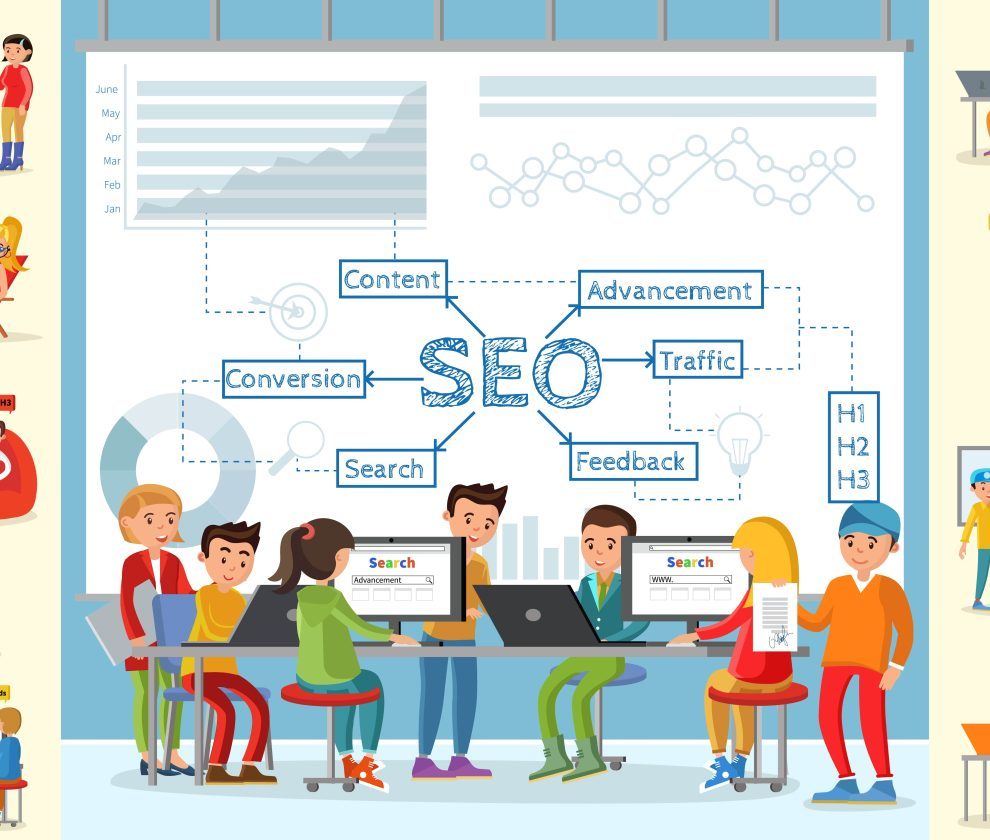
Search Strategy Sophistication: SEO efforts are becoming hyper-focused on capturing developers at the exact moment they’re searching for solutions. Teams are creating content for highly specific, low-volume search queries that indicate strong purchase intent.
Technology Integration: Tools and Automation
The most sophisticated developer marketing teams are leveraging technology to scale personalized experiences and improve efficiency. This goes well beyond basic marketing automation.
Developer Journey Mapping Tools: Teams are using specialized platforms to track technical interactions across multiple touchpoints — documentation views, code sample downloads, API testing, and integration attempts.
Content Personalization Engines: Advanced teams are dynamically personalizing content based on detected programming languages, frameworks, and technical preferences. A developer visiting from a React codebase sees different examples than those coming from Angular.
Community Analytics: Sophisticated analytics platforms help teams understand community health, identify influential community members, and spot emerging trends in developer discussions.
Budget Optimization: Doing More with Strategic Focus
With marketing budgets under pressure, successful teams are making strategic trade-offs rather than across-the-board cuts. They’re concentrating resources on the channels and activities that drive the highest-quality engagement.
Lisa Thompson, VP of Marketing at a DevOps platform, described her approach: “We cut our event sponsorship budget by 60% and reallocated that money to creating deeper, more technical content. Our cost per qualified lead actually decreased while the quality of those leads improved significantly.”
Common budget reallocation patterns include:
- Shifting from broad-reach activities to high-engagement, targeted initiatives
- Investing more heavily in content creation and less in content promotion
- Focusing on owned media properties rather than rented attention
- Prioritizing activities that compound over time rather than deliver immediate spikes
The Human Element: Authenticity and Technical Credibility
Perhaps the most important trend is the emphasis on authenticity and technical credibility. Developer audiences have become increasingly sophisticated at detecting marketing messages that lack genuine technical understanding.
The most successful teams are staffed with people who have real development experience and can engage in substantive technical conversations. They’re not just translating between technical and marketing teams — they’re bridging both worlds authentically.
This has implications for hiring, content creation, and community engagement. Companies are prioritizing technical credibility in their marketing teams and giving those teams the autonomy to engage with developer communities as technical peers rather than traditional marketers.
Looking Ahead: Sustainable Growth in Developer Marketing
The patterns emerging from these conversations point toward a more sustainable, relationship-focused approach to developer marketing. The companies succeeding in this environment are those willing to invest in long-term relationship building rather than short-term lead generation.
This approach requires patience, technical expertise, and a willingness to measure success over longer time horizons. But for companies that get it right, the results include not just better conversion rates, but stronger customer relationships, reduced churn, and genuine community advocacy.
The future of developer marketing belongs to teams that can authentically serve technical audiences while driving measurable business outcomes. The professionals leading this transformation are proving that effective marketing and genuine technical value aren’t opposing forces — they’re complementary strategies that reinforce each other.
As the landscape continues to evolve, the companies that maintain this balance between authentic technical engagement and strategic business focus will define what developer marketing looks like for years to come. The conversation is far from over, but the direction is becoming clear: deeper relationships, better targeting, and authentic technical value will separate the leaders from the followers.
developer marketing strategy 2025
A smart developer marketing strategy 2025 uses real code, clear value, and trusted voices. Learn how pros reach software audiences
developer marketing strategy 2025
B2B tech marketing content strategy for developers dev community building developer advocacy developer marketing developer outreach developer personas developer relations developer-first strategy expert marketing tips marketing to developers marketing trends 2025 software marketing tech audience engagement tech branding