
05 Sep
Artificial intelligence has fundamentally shifted how designers and UX professionals approach their craft. Beyond automating routine tasks, AI now serves as a powerful research partner, capable of processing vast amounts of user data to reveal insights that would take human researchers weeks or months to uncover. This transformation represents more than technological convenience—it marks a new era where data-driven design decisions can be made with unprecedented precision and speed.
AI in UX and design
AI in UX and design helps create smarter, faster, and more user-friendly experiences. Get expert views on AI creativity to see how designers
AI in UX and design
The integration of AI into UX and design workflows has sparked intense debate among industry professionals. While some embrace these tools as revolutionary aids that enhance creativity and efficiency, others express concern about the potential homogenization of design and the risk of losing human intuition in the creative process. Understanding expert perspectives on this evolution provides crucial insight into how AI will shape the future of user experience design.
Leading UX researchers and design professionals have begun sharing their experiences with AI-powered tools, revealing both remarkable opportunities and significant challenges. Their collective wisdom offers a roadmap for designers seeking to leverage AI effectively while maintaining the human-centred approach that defines exceptional user experience work.
The Data Revolution in User Research
AI-powered analytics platforms have transformed how designers gather and interpret user behaviour data. These systems can process millions of user interactions across multiple touchpoints, identifying patterns that human analysts might miss entirely. Heat mapping tools now use machine learning algorithms to predict where users will focus their attention before they even visit a page, while sentiment analysis tools can parse through thousands of user reviews to extract meaningful insights about pain points and preferences.
Sarah Chen, a senior UX researcher at a major tech company, explains that AI has compressed her team’s research timeline from months to weeks. “We used to spend enormous amounts of time coding interview transcripts and survey responses manually,” she notes. “Now, natural language processing tools can identify themes and sentiment patterns almost instantly, allowing us to focus on interpreting insights rather than collecting them.”
The accuracy of AI-driven user research has impressed even skeptical professionals. Machine learning algorithms can detect micro-patterns in user behaviour that indicate frustration, confusion, or satisfaction with remarkable precision. Eye-tracking studies enhanced with AI can predict which design elements will capture attention and which will be overlooked, enabling designers to optimize layouts before conducting expensive usability tests.
However, experts emphasize that AI excels at identifying patterns rather than explaining the underlying motivations. The technology can tell designers what users do, but human researchers remain essential for understanding why users behave in specific ways. This limitation has led to a collaborative approach where AI handles data processing while human researchers focus on contextual interpretation and strategic recommendations.
Transforming Design Workflows Through Automation
Design teams have discovered that AI tools can handle many time-consuming tasks that previously required manual effort. Automated A/B testing platforms can generate dozens of design variations and test them simultaneously, providing statistically significant results in days rather than weeks. Colour palette generators use machine learning to suggest harmonious combinations based on brand guidelines and user preferences. At the same time, layout optimization tools can automatically adjust designs for different screen sizes and accessibility requirements.
Marcus Rodriguez, a design director with over fifteen years of experience, describes how AI has changed his team’s approach to iteration. “We can now test radical design concepts without the traditional risk,” he explains. “AI tools generate multiple versions of our designs, test them with real users, and provide detailed performance metrics. This allows us to be more experimental and data-driven in our creative process.”
The speed of AI-assisted design iteration has enabled teams to explore concepts that would have been impractical under traditional workflows. Designers can now create dozens of wireframe variations, test different information architectures, and optimize user flows based on predictive models that simulate user behaviour. This accelerated iteration cycle has led to more refined final products and reduced the likelihood of major design changes late in the development process.
Yet experts caution against over-reliance on automated design generation. While AI can produce technically proficient designs, it often lacks the cultural sensitivity and brand understanding that human designers bring to their work. The most successful teams use AI as a starting point for ideation rather than a replacement for creative thinking.
Enhanced User Testing and Feedback Analysis
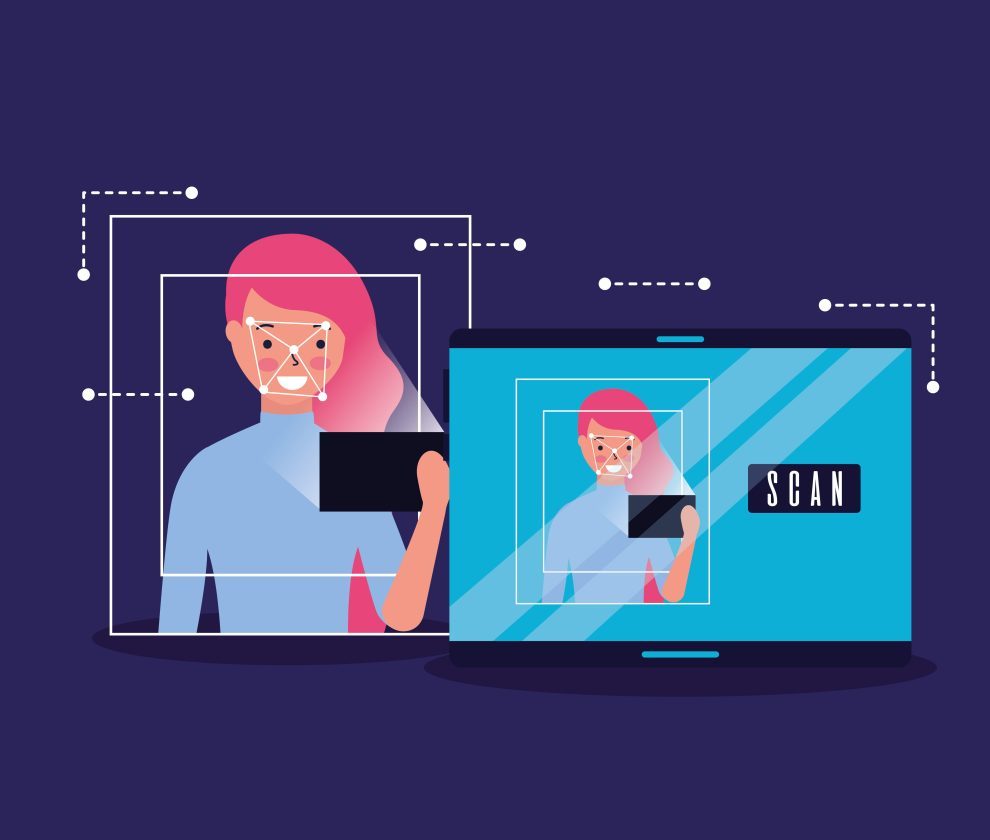
Traditional user testing methods have been revolutionized by AI-powered analysis tools that can interpret user behaviour with unprecedented depth. Facial recognition software can detect emotional responses during usability tests, providing insights into user satisfaction that verbal feedback might not capture. Voice analysis tools can identify hesitation, confusion, or frustration in user interviews, helping researchers understand the emotional journey alongside task completion metrics.
AI in UX and design
AI in UX and design helps create smarter, faster, and more user-friendly experiences. Get expert views on AI creativity to see how designers
AI in UX and design
Dr. Elena Vasquez, a UX research consultant who has worked with Fortune 500 companies, highlights the precision of AI-enhanced testing methods. “We can now measure micro-expressions and vocal patterns that indicate cognitive load or emotional stress,” she explains. “This gives us a much more complete picture of the user experience than traditional metrics like task completion time or error rates.”
The scale at which AI can process user feedback has opened new possibilities for continuous research. Rather than conducting periodic usability studies, teams can now implement ongoing feedback collection systems that analyze user behaviour in real-time. These systems can identify emerging usability issues before they become widespread problems, enabling proactive design improvements.
Machine learning algorithms have also improved the quality of remote user testing. AI can detect when participants are distracted, multitasking, or not following instructions, ensuring that test results accurately reflect genuine user behaviour. This capability has made remote testing more reliable and cost-effective, expanding access to diverse user groups that might be difficult to recruit for in-person sessions.
Predictive Design and Personalization
AI’s ability to predict user behaviour has enabled a new approach to personalized design that adapts to individual user needs and preferences. Machine learning models can analyze past user interactions to predict future behaviour, allowing interfaces to surface relevant content or simplify complex workflows proactively. This predictive capability extends beyond individual users to identify broader trends that inform design strategy.
Personalization engines now use sophisticated algorithms to create unique user experiences at scale. Rather than designing one-size-fits-all interfaces, teams can create adaptive designs that modify themselves based on user behaviour patterns, device preferences, and contextual factors. These systems can adjust everything from navigation structures to content recommendations, creating more relevant and efficient user experiences.
The impact of predictive design has been particularly significant in e-commerce and content platforms. AI can predict which products users are most likely to purchase, which content they’ll find engaging, and which interface elements will facilitate their goals. This predictive capability has led to measurable improvements in conversion rates, user engagement, and overall satisfaction metrics.
However, experts warn about the ethical implications of predictive design. The ability to influence user behaviour through personalized interfaces raises questions about manipulation and user agency. Successful implementations balance personalization benefits with transparency, giving users control over how their data is used to customize their experience.
The Human Element in AI-Driven Design
Despite AI’s impressive capabilities, industry experts consistently emphasize that human creativity and empathy remain irreplaceable elements of exceptional design. AI excels at processing data and identifying patterns, but it cannot understand cultural nuances, emotional contexts, or the subtle human factors that influence user behaviour. The most effective design teams have learned to combine AI’s analytical power with human insight and creativity.
Tom Anderson, a creative director who has led design teams at several major agencies, advocates for a collaborative approach. “AI is an incredibly powerful tool, but it’s still a tool,” he explains. “The best designs come from teams that use AI to handle data analysis and routine tasks, freeing human designers to focus on strategy, creativity, and user empathy.”
The integration of AI into design workflows has actually elevated the importance of human skills like critical thinking, cultural awareness, and emotional intelligence. As AI handles more technical aspects of design work, human designers can focus on higher-level strategy, brand storytelling, and creating experiences that resonate on an emotional level.
Many experts report that AI has made them better designers by providing deeper insights into user behaviour and more opportunities for experimentation. Rather than replacing human creativity, AI serves as an amplifier that enables designers to be more innovative and user-focused in their approach.
Challenges and Limitations of AI in UX Design
While AI has brought significant benefits to UX and design work, experts also acknowledge several important limitations and challenges. Bias in AI algorithms can perpetuate existing design problems or create new accessibility barriers if not carefully monitored. Training data quality directly impacts AI tool effectiveness, and many organizations struggle with incomplete or biased datasets that limit the accuracy of AI-generated insights.
Privacy concerns have become increasingly important as AI tools require access to user data to function effectively. Design teams must balance the insights gained from AI analysis with user privacy expectations and regulatory requirements. This challenge has led to the development of privacy-preserving AI techniques, but implementation remains complex for many organizations.
The cost and complexity of implementing AI tools can be prohibitive for smaller design teams. While large organizations can invest in sophisticated AI platforms, freelancers and small agencies often lack access to the same capabilities. This disparity has created concerns about competitive advantages and the democratization of design tools.
Technical limitations also constrain AI’s effectiveness in certain design contexts. AI struggles with abstract concepts, cultural symbolism, and the kind of intuitive leaps that often define breakthrough design solutions. These limitations mean that human oversight and creative input remain essential for successful AI integration.
Future Implications for Design Professionals
The ongoing evolution of AI technology promises even more significant changes for UX and design professionals. Emerging technologies like generative AI, advanced natural language processing, and computer vision will likely expand AI’s role in creative processes. Design professionals who adapt to these changes and learn to work effectively with AI tools will likely have significant advantages in the job market.
Educational institutions have begun updating their curricula to include AI literacy for design students. Understanding how to work with AI tools, interpret AI-generated insights, and maintain human creativity in AI-assisted workflows has become an essential skill set for emerging designers.
The democratization of design tools through AI may also expand access to design capabilities for non-designers. As AI tools become more intuitive and powerful, professionals in other fields may be able to create sophisticated designs without traditional design training. This trend could reshape the design industry and create new opportunities for collaboration between designers and other professionals.
Maximizing AI’s Potential While Preserving Human Creativity
The most successful design teams have developed strategies for integrating AI tools while maintaining their creative vision and user-centred approach. These strategies typically involve using AI for data collection and analysis while reserving creative decision-making for human team members. Regular training and experimentation with new AI tools help teams stay current with rapidly evolving capabilities.
Establishing clear guidelines for AI use helps teams avoid over-dependence on automated tools while ensuring they gain maximum benefit from AI capabilities. Many successful teams create workflows that alternate between AI-assisted analysis and human creative work, using each approach where it’s most effective.
Continuous learning has become essential for design professionals working with AI. The rapid pace of AI development means that new tools and capabilities emerge regularly, requiring ongoing education and skill development. Professional development programs that focus on AI integration have become increasingly valuable for design teams.
The future of UX and design work lies in the thoughtful integration of AI capabilities with human creativity and empathy. Teams that successfully balance these elements will create more effective, user-centred designs while maintaining the innovative spirit that drives exceptional user experiences. As AI technology continues to evolve, the most successful design professionals will be those who embrace these tools while never losing sight of the human users they serve.
AI in UX and design
AI in UX and design helps create smarter, faster, and more user-friendly experiences. Get expert views on AI creativity to see how designers