
12 Aug
The classroom bell no longer signals the start and end of learning. Students across the globe are discovering that artificial intelligence has quietly revolutionised how they absorb, process, and apply knowledge. From elementary schools in rural communities to prestigious universities in major cities, AI-powered tools are reshaping educational experiences in ways that seemed impossible just a few years ago.
AI in education 2025
AI is revolutionizing education by enabling personalized learning, smart tutoring, and automated assessments. Discover how artificial inte…
AI in education 2025
This transformation extends far beyond simple computer-assisted learning. AI is creating adaptive learning environments that respond to individual student needs, automating tedious administrative tasks that once consumed teachers’ time, and providing interactive experiences that make complex subjects more accessible than ever before.
The implications are profound. Students who once struggled with traditional teaching methods now find pathways to success through personalised AI tutors. Teachers can focus more on creative instruction and meaningful student interaction, rather than spending hours on repetitive grading. Educational institutions are discovering new ways to reach learners who conventional approaches might otherwise leave behind.
Understanding how AI is reshaping education isn’t just important for educators and policymakers. Parents, students, and anyone invested in the future of learning need to grasp these changes to make informed decisions about educational opportunities and career preparation.
Personalised Learning: Education That Adapts to You
AI in education 2025
AI is revolutionizing education by enabling personalized learning, smart tutoring, and automated assessments. Discover how artificial inte…
AI in education 2025
Traditional classroom instruction follows a one-size-fits-all model that has dominated education for centuries. Students move through curricula at the same pace, regardless of their individual learning speeds, preferences, or comprehension levels. AI is dismantling this outdated approach by creating truly personalised learning experiences.
Adaptive Learning Platforms
AI-powered adaptive learning systems analyse student performance in real-time, adjusting difficulty levels, presentation styles, and pacing based on individual needs. These platforms identify knowledge gaps immediately and provide targeted remediation before students fall behind.
For example, suppose a student consistently struggles with algebraic equations but excels at geometric concepts. In that case, the AI system recognises this pattern and provides additional algebraic practice while allowing faster progression through geometry lessons. This individualised approach ensures that no student is held back by material they’ve already mastered or overwhelmed by concepts they’re not yet ready to tackle.
Intelligent Content Curation
AI algorithms can sift through vast educational resources to present the most relevant materials for each learner. Instead of generic textbook chapters, students receive curated content that matches their learning style, interests, and current knowledge level.
Visual learners might receive infographics and video explanations, while kinesthetic learners get interactive simulations and hands-on activities. This targeted content delivery significantly improves engagement and retention rates across diverse student populations.
Learning Analytics and Insights
Advanced AI systems track learning patterns and provide detailed insights into student progress. Teachers and students can access comprehensive dashboards that show which concepts have been mastered, which need additional attention, and which learning strategies are most effective for individual students.
These analytics help identify at-risk students early in the learning process, enabling timely interventions that can prevent academic failure. Parents also gain unprecedented visibility into their children’s educational progress, fostering better support systems at home.
Automated Assessment: Freeing Teachers for What Matters Most
Grading and assessment have traditionally consumed enormous amounts of teacher time, often at the expense of lesson planning, student interaction, and professional development. AI is revolutionising this aspect of education through sophisticated automated assessment tools.
Intelligent Grading Systems
Modern AI can evaluate not just multiple-choice questions, but also complex written responses, mathematical proofs, and even creative projects. Natural language processing algorithms analyse student writing for content accuracy, argument structure, grammar, and style, providing detailed feedback that often surpasses what human graders can offer within reasonable time constraints.
These systems don’t simply assign scores; they generate constructive feedback that helps students understand their mistakes and improve their work. This immediate feedback loop accelerates learning and reduces the frustration of waiting days or weeks for graded assignments.
Continuous Assessment and Progress Monitoring
Rather than relying solely on high-stakes tests at the end of units or semesters, AI enables continuous assessment that monitors student understanding throughout the learning process. This approach reduces test anxiety while providing more accurate pictures of student comprehension and skill development.
Continuous monitoring also helps teachers adjust their instruction in real-time, addressing misconceptions before they become entrenched and ensuring that all students maintain steady progress toward learning objectives.
Interactive Learning Tools: Making Education Engaging
AI has transformed static educational content into dynamic, interactive experiences that captivate student attention and facilitate deeper understanding. These tools leverage gamification, virtual reality, and intelligent tutoring systems to create immersive learning environments.
AI-Powered Tutoring Systems
Virtual tutors powered by AI provide 24/7 support to students, answering questions, explaining concepts, and guiding problem-solving. These systems adapt their teaching styles to match individual student preferences and can provide unlimited patience and repetition without judgment.
Unlike human tutors, AI tutors are available whenever students need help, breaking down barriers created by scheduling conflicts, geographic limitations, or economic constraints. This democratisation of tutoring support helps level the educational playing field for students from diverse backgrounds.
Gamified Learning Experiences
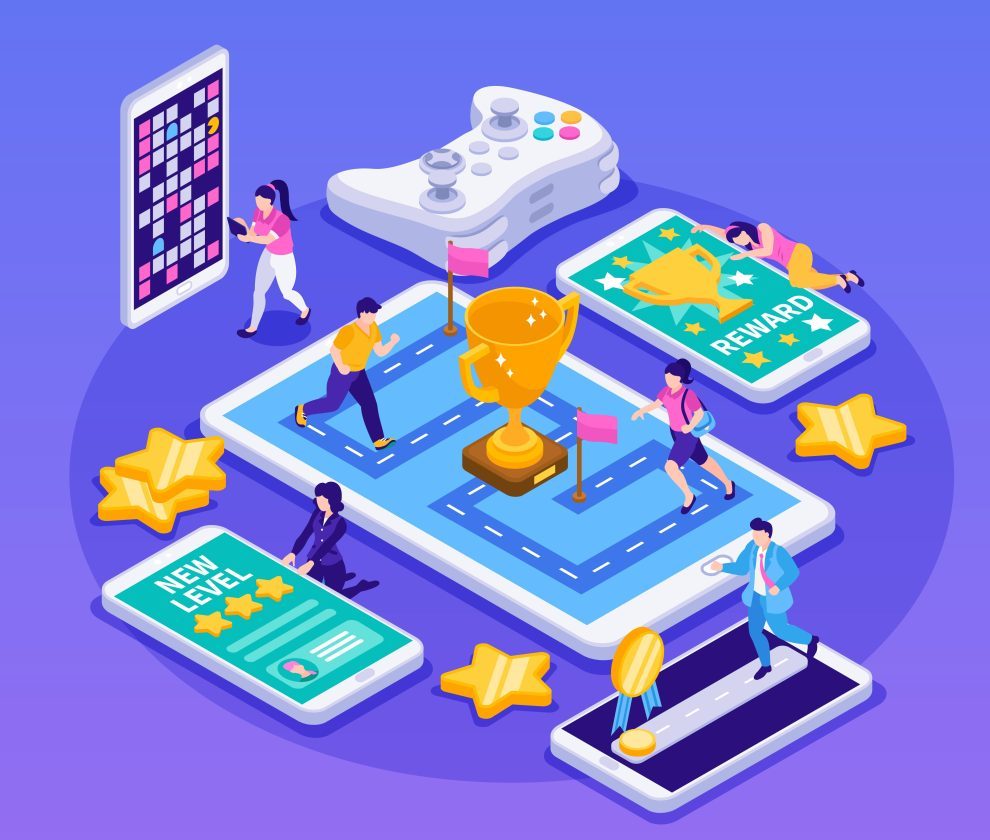
AI algorithms create personalised gaming experiences that make learning feel more like play than work. These systems adapt game difficulty, rewards, and challenges to individual student progress and preferences, maintaining optimal engagement.
Students earn points, unlock achievements, and compete with peers as they master academic content. This approach has proven particularly effective for subjects that students traditionally find challenging or boring, such as mathematics and foreign language learning.
Virtual and Augmented Reality Integration
AI enhances virtual and augmented reality educational experiences by creating responsive, intelligent environments that adapt to student actions and learning needs. Students can explore ancient Rome, manipulate molecular structures, or practice surgical procedures in safe, controlled virtual environments.
These immersive experiences provide contextual learning opportunities that would be impossible or impractical in traditional classroom settings, making abstract concepts tangible and memorable.
Accessibility and Inclusion: Opening Doors for All Learners
AI is breaking down barriers that have historically prevented many students from accessing quality education. These technologies are particularly transformative for students with disabilities, language learners, and those in underserved communities.
Assistive Technology Integration
AI-powered assistive technologies help students with various disabilities participate more fully in educational activities. Text-to-speech systems support students with dyslexia or visual impairments, while speech recognition tools assist those with motor disabilities or writing difficulties.
Smart captioning systems automatically generate subtitles for video content, while AI translation tools help non-native speakers understand complex academic material in real-time.
Language Learning and Translation
AI language models facilitate communication and learning across language barriers. Students can receive instruction and support in their native languages while simultaneously developing English proficiency or other target languages.
These tools help immigrant students and English language learners access grade-level content while developing language skills, preventing them from falling behind academically due to language barriers.
Preparing Students for an AI-Driven Future
Educational institutions must not only use AI to enhance learning but also prepare students to thrive in an AI-integrated world. This dual approach ensures that graduates are both beneficiaries and competent users of AI technologies.
Digital Literacy and AI Understanding
Students need to understand how AI works, its capabilities and limitations, and its ethical implications. This knowledge helps them become informed consumers and creators of AI technologies rather than passive recipients.
Critical thinking skills become even more important as students learn to evaluate AI-generated content, understand algorithmic bias, and make informed decisions about when and how to use AI tools in their personal and professional lives.
Skills for the Future Workforce
AI is reshaping the job market, eliminating some positions while creating new opportunities. Educational institutions must help students develop skills that complement AI capabilities rather than compete with them.
This includes emphasis on creativity, emotional intelligence, complex problem-solving, and interdisciplinary thinking—areas where human capabilities continue to excel beyond current AI limitations.
Leading the Charge: Melio Education’s Vision
As educational institutions navigate this transformation, companies like Melio Education are pioneering innovative approaches that harness AI’s potential while maintaining focus on human connection and personalised learning. Their comprehensive platforms integrate multiple AI technologies to create seamless, effective learning experiences that benefit students, teachers, and administrators.
Melio Education’s approach demonstrates how thoughtful AI integration can enhance rather than replace human instruction, creating educational environments where technology serves learning rather than dominating it. Their commitment to accessibility, personalisation, and pedagogical excellence provides a blueprint for successful AI adoption in educational settings.
Embracing the Educational Revolution
The transformation of education through AI represents one of the most significant shifts in human learning since the invention of writing. Students today have access to personalised instruction, immediate feedback, and limitless educational resources that previous generations could never have imagined.
This revolution requires active participation from all stakeholders. Educators must embrace new technologies while maintaining their essential human roles as mentors and guides. Students need to develop both technical literacy and critical thinking skills. Parents and communities must support educational institutions as they navigate these changes.
The future of learning is not about replacing human connection with artificial intelligence, but about using AI to amplify human potential and create educational opportunities for every learner. By understanding and embracing these changes, we can build an educational system that truly serves the needs of all students in our rapidly evolving world.
The question is not whether AI will change education—that transformation is already underway. The question is whether we will guide this change thoughtfully and inclusively, ensuring that AI serves to expand educational opportunities rather than create new barriers. The choices we make today will determine whether this technological revolution creates a brighter, more equitable future for learners everywhere.
AI in education 2025
AI is revolutionizing education by enabling personalized learning, smart tutoring, and automated assessments. Discover how artificial inte…